 The Short Answer: No Cavities, but Your Gums Can Get Sick
 Protect the Smile You Invested In: Schedule Your Checkup for Dental Implants in Novi
Veneers are an investment in your smile, so "how long will they last?" is a…
Do Dental Implants Get Cavities? Why Gum Health Still Matters After Your Implant
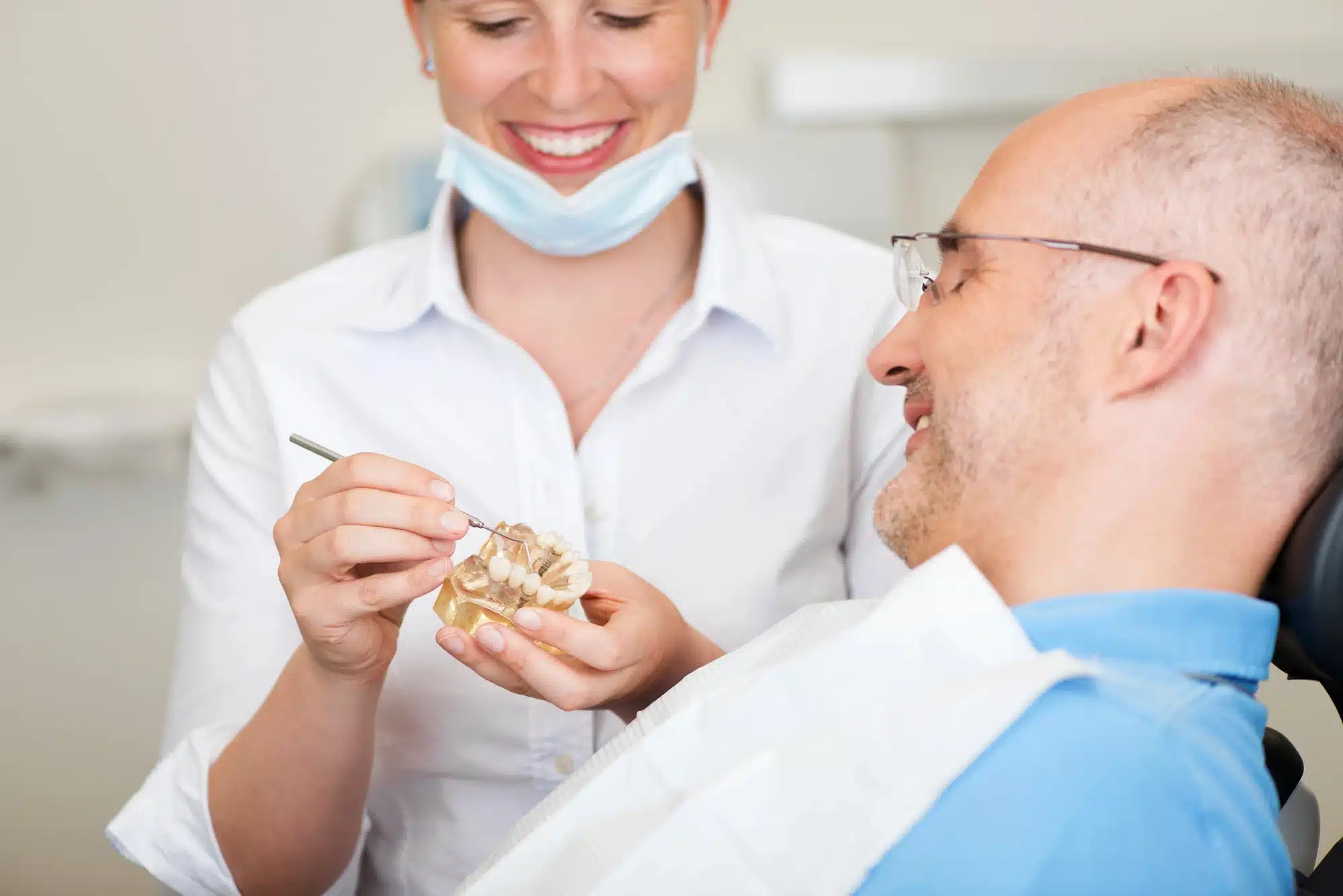
You have probably heard that dental implants cannot get cavities. That is true, but it is only half the story. The gum and bone around an implant can still become inflamed or infected, and that tissue is what protects your investment. Whether you already have dental implants in Novi or are thinking about them, it’s important to know how to keep the tissue around them healthy.
 The Short Answer: No Cavities, but Your Gums Can Get Sick
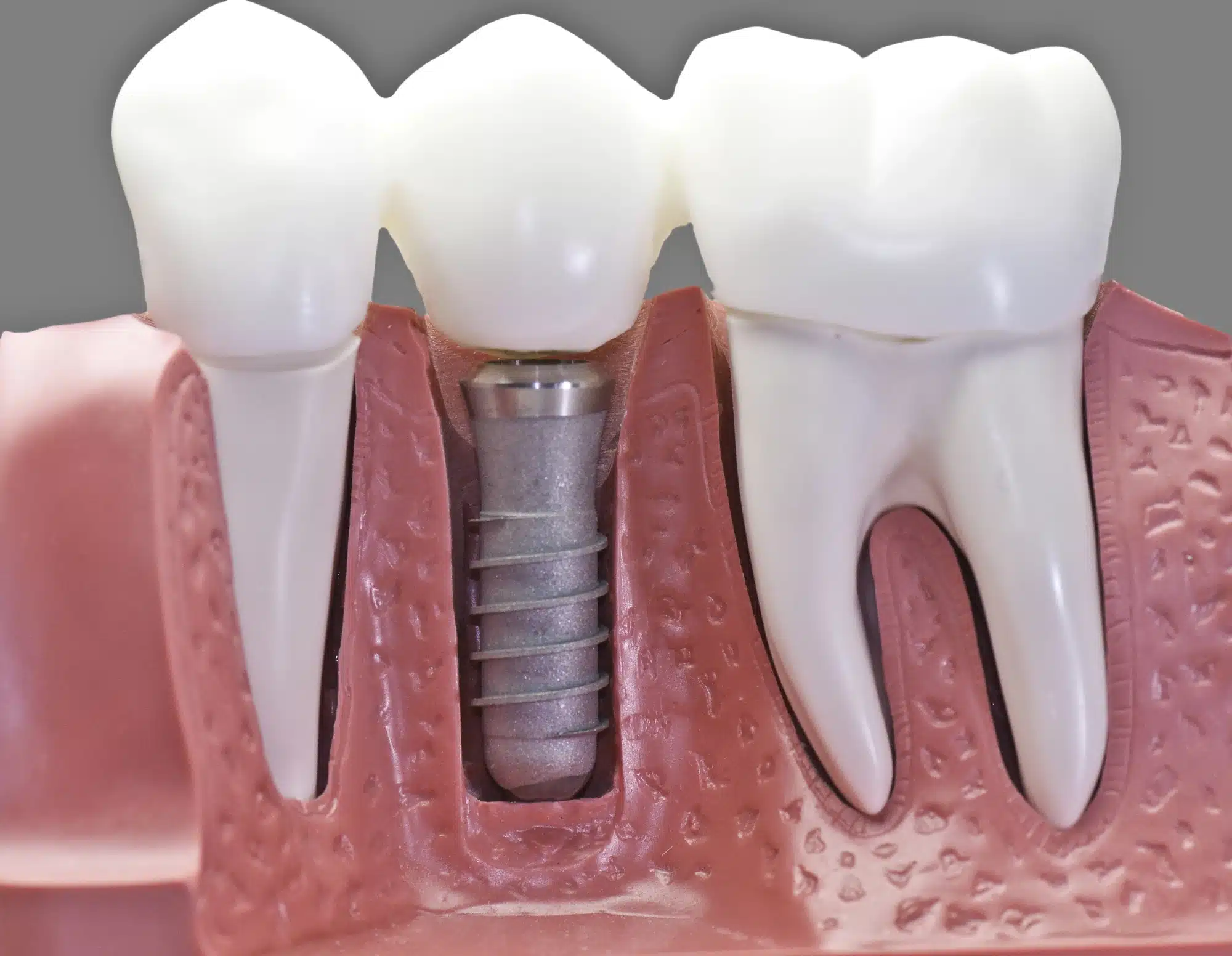
The titanium post and the crown on top of your implant cannot decay, but the tissue around them is a different story. The American Academy of Periodontology explains that peri-implant diseases are inflammatory conditions that affect the soft and hard tissues around dental implants, and that their signs resemble the symptoms of gum disease.
What Is Peri-Implant Disease?
Peri-implant disease comes in two stages. In peri-implant mucositis, the gum tissue around the implant is inflamed, but there is no bone loss. The AAP notes it generally precedes peri-implantitis and may be reversed if caught early. In peri-implantitis, the inflammation is joined by deterioration of the supporting bone, and it usually requires surgical treatment.
Signs to Watch For
Contact your dentist if you notice any of these around an implant:
- Red or tender gums
- Bleeding when you brush or floss
- A bad taste or swelling near the implant
- A loose or shifting feeling
The AAP lists previous gum disease, poor plaque control, smoking, and diabetes as risk factors. If you smoke, read about whether smokers can get dental implants so you know what to discuss with your dentist.
How to Protect Your Implant at Home
Daily habits do most of the work:
- Brush twice a day with a soft-bristled brush, angling toward the gumline
- Clean between and around your implants every day with floss or the tool your dentist recommends
- Do not skip your professional cleanings
- Avoid tobacco
- Manage conditions like diabetes with your physician
The American Society of Implant and Reconstructive Dentistry points out that implants need the same regular brushing and flossing as natural teeth, and that although they are not susceptible to decay, the surrounding gum tissue can develop periodontal disease known as peri-implantitis.
Why Checkups Matter After Your Implant
Regular visits let a dentist check the health of your gums, look for early inflammation, and monitor bone levels with X-rays. Early inflammation is far easier to reverse than bone loss, and the AAP stresses that implants should be routinely monitored.
Keeping up with professional teeth cleanings is a good start, and if you have signs of gum trouble, periodontal care can address it before it spreads.
Frequently Asked Questions
Can implants fail?
Rarely, but untreated infection and bone loss around an implant can threaten it, which is why gum health matters.
Do I need special products to clean my implants?
Often a soft brush and regular floss are enough, but your dentist may suggest interdental brushes or a water flosser.
How often should I see a dentist after getting implants?
As often as your dentist recommends, which may be more frequent if you have had gum disease.
Protect the Smile You Invested In: Schedule Your Checkup for Dental Implants in Novi
Whether you are considering implants or want to make sure yours stay healthy, our team at My Family Dental Novi can help. Schedule your appointment or call (248) 305-1688 to protect your smile.
Related Posts